Second Edition
22–23 September 2026 · Kigali, Rwanda · "Where Rwanda's Climate Research Meets Policy"
Overview
Under theme "Where Rwanda's Climate Research Meets Policy," the Second Rwanda Climate Science Symposium (RCSS 2026), held on 22–23 September 2026 in Kigali, built on the foundation established by the inaugural edition and marked an important step in strengthening Rwanda's climate science–policy interface. Spearheaded by the Ministry of Environment in collaboration with the Deutsche Gesellschaft für Internationale Zusammenarbeit (GIZ) GmbH under the Rwanda–Germany cooperation framework for strengthening Climate and NDC implementation, the symposium brought together researchers, policymakers, practitioners, development partners, academics and emerging climate professionals around a shared objective: ensuring that climate evidence is not only generated, but translated into information that can guide planning, investment and implementation.
RCSS 2026 significantly broadened the platform's reach. More than 900 registrations were received, including approximately 33% from outside Rwanda, with over 200 participants confirmed for in-person participation and more than 600 for virtual participation. The symposium received 112 abstracts, including 61 from Rwanda and 51 from other African countries, organized across five research streams: Agriculture & Food Systems; Climate Data & Monitoring Systems; Urbanization, Infrastructure & Energy; Nature-Based Solutions & Ecosystems; and Health–Climate Nexus. Gender representation remained relatively consistent across both days with women representing approximately 30% of overall attendance. The hybrid format, Ministry of Environment livestream and sign-language interpretation further expanded access to the symposium.
Over two days, high-level policy dialogue, technical plenaries, research presentations and poster sessions explored how climate intelligence can better support adaptation, agriculture, health, infrastructure, energy, ecosystems and early action. Particular attention was given to strengthening the Rwanda Climate Science Network (RCSN), improving year-round knowledge exchange through the Rwanda Climate Change Forum, advancing Rwanda's engagement in global climate-science processes, and translating research into decision-ready evidence. The symposium closed with a clear direction for follow-up: continue the institutional development of the RCSN, strengthen knowledge continuity, and maintain RCSS as an annual platform with progressively stronger regional and continental engagement.
Documents
Access the official RCSS 2026 report, presentations and key knowledge products from the symposium, capturing the evidence, insights and outcomes generated across the two-day event.
Programme
Full two-day programme outlining the symposium sessions, speakers, research streams and key activities.
Symposium Report
Official record of the key discussions, evidence, policy messages and follow-up priorities emerging from RCSS 2026.
Book of Abstracts
Collection of accepted abstracts across the symposium's five thematic research streams.
Plenary Presentations
Presentations from the plenary, technical and spotlight sessions that shaped the symposium's wider science–policy dialogue.
Oral Presentations
Research presentations from Streams A–E, capturing the studies and findings shared during the scientific sessions.
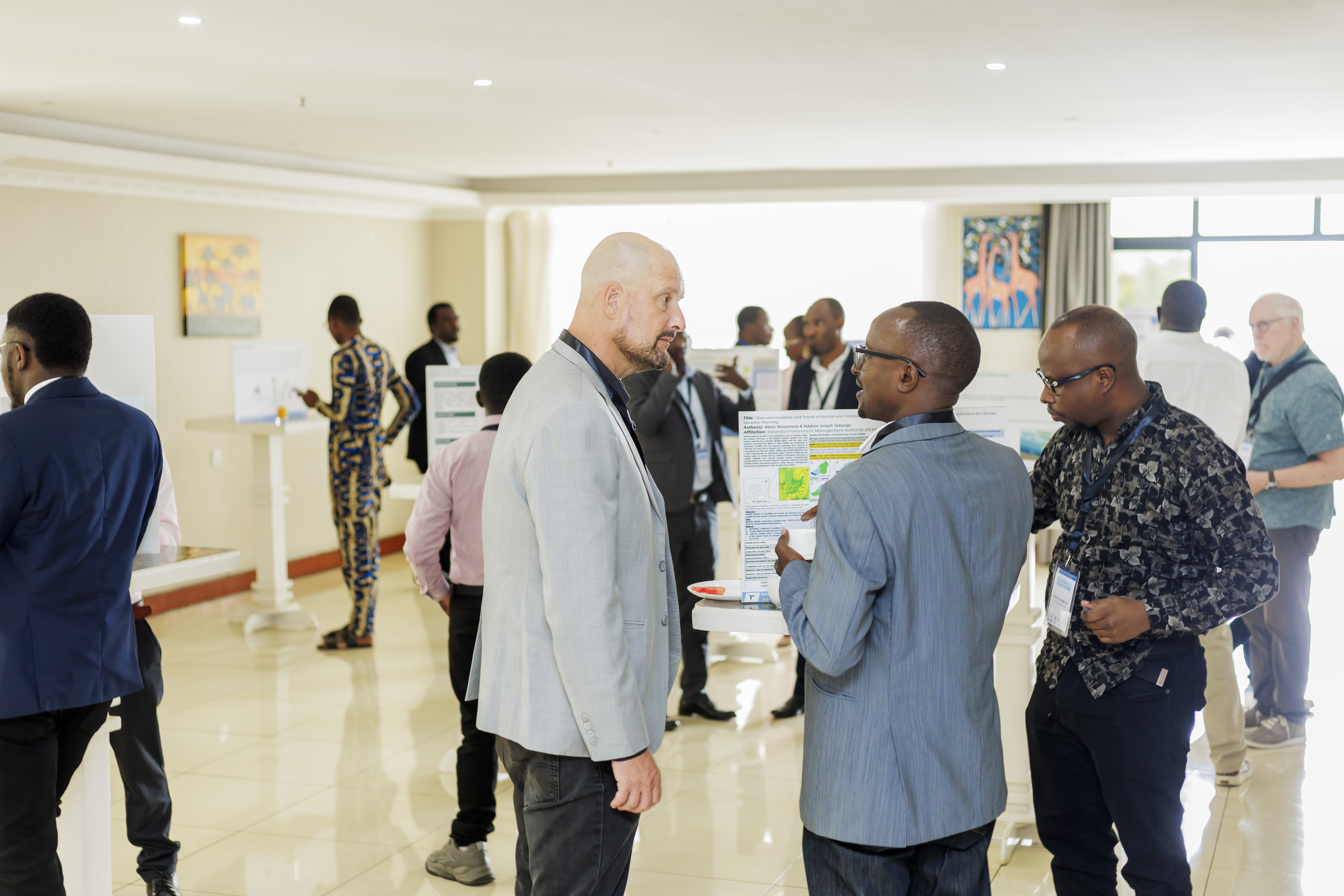
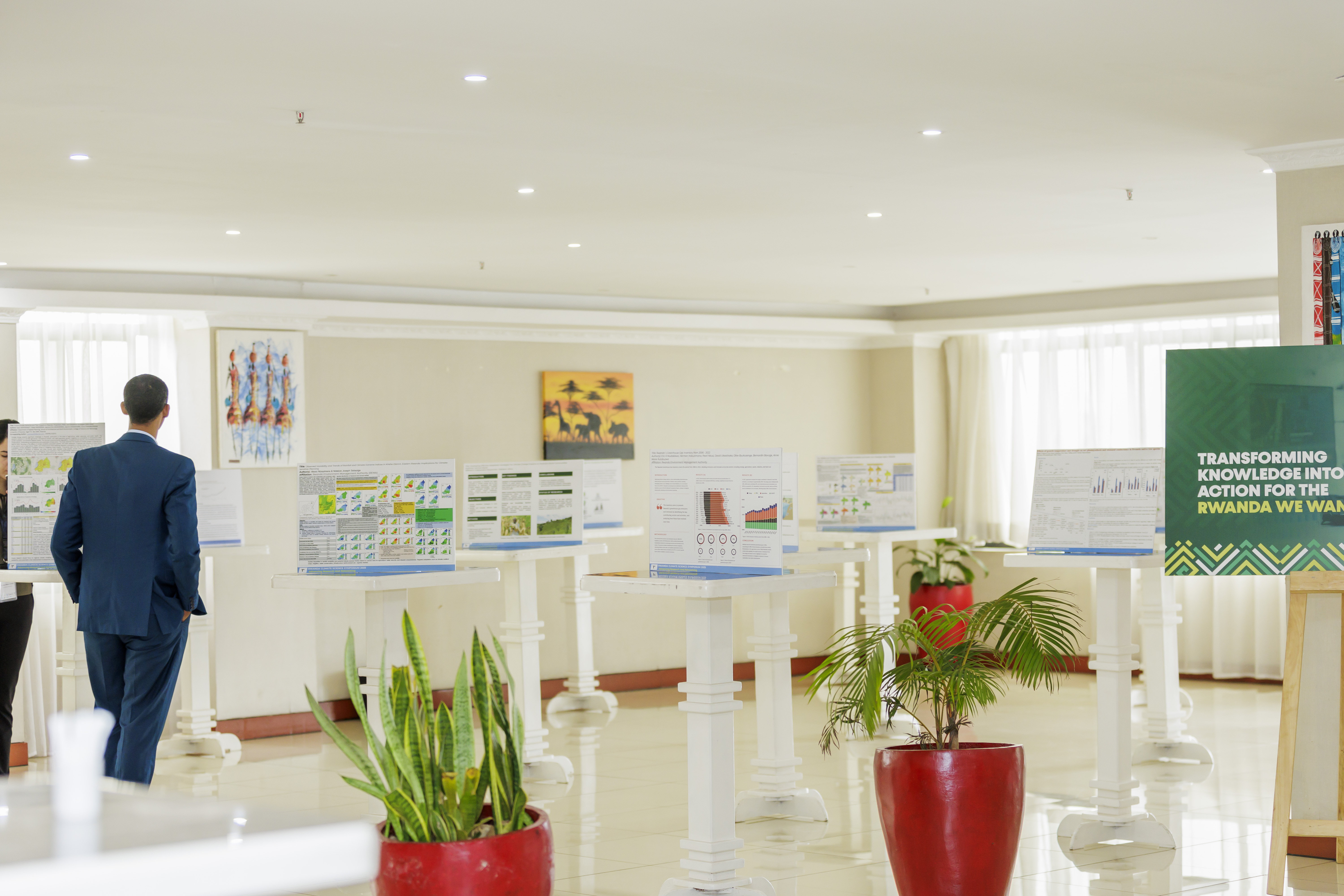
Poster Presentations
Research posters presented across the symposium's thematic areas, showcasing additional scientific evidence and emerging work.
Event Photo Gallery
Highlights from the two-day symposium, capturing scientific exchange, policy dialogue, networking and engagement.
Rwanda Climate Change Forum
Continue the exchange beyond the symposium through Rwanda's online platform for climate knowledge, discussion and collaboration.
First Edition
13–14 May 2025 · Kigali, Rwanda · "Advancing Research and Networking"
Overview
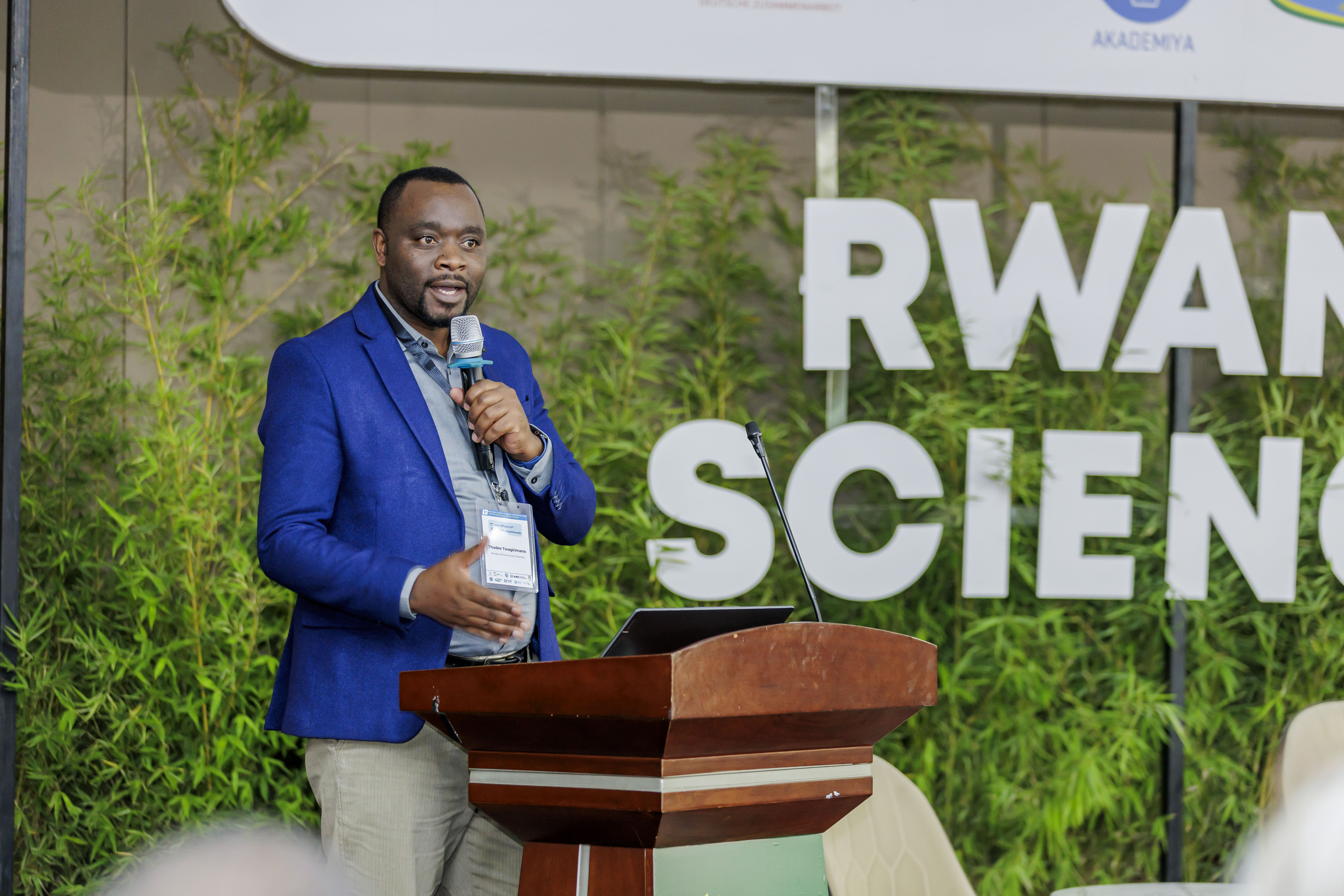
Under theme "Advancing Research and Networking," the First Rwanda Climate Science Symposium, held on 13–14 May 2025 in Kigali, marked the establishment of Rwanda's first structured national platform dedicated to advancing climate science, strengthening research collaboration, and promoting evidence-based climate policy and action. This event is owned and led by the Ministry of Environment and co-organized in partnership with the Rwanda Environment Management Authority, Rwanda Meteorology Agency, National Council for Science and Technology, Rwanda Space Agency, the University of Rwanda through the Center of Excellence in Biodiversity and Natural Resource Management (CoEB), the African Institute for Mathematical Sciences Research and Innovation Center, and AKADEMIYA2063, with strategic technical and financial support from the Deutsche Gesellschaft für Internationale Zusammenarbeit (GIZ) GmbH under the Rwanda–Germany cooperation framework for strengthening climate and NDC implementation.
The scientific programme was organized around four thematic priorities: (i) measurement and reduction of greenhouse gas emissions, (ii) climate observation and modelling, (iii) climate impacts and risk assessment, and (iv) adaptation and climate action. Over two days, the symposium featured plenary sessions, parallel research streams, and poster presentations delivered by 32 speakers, including 56.3% men (18) and 43.7% women (14), demonstrating strong progress toward gender-balanced scientific representation. The event convened 120 participants comprising researchers, students, policymakers, and practitioners, with 61.7% male (74) and 38.3% female (46) participation.
The symposium delivered several key outcomes, including strengthened national research networking, improved visibility of Rwanda-focused climate studies, and the initiation of a Rwanda Climate Science Network to sustain collaboration beyond the event. By consolidating scientific evidence relevant to mitigation, adaptation, and risk management, the first edition laid a strong foundation for an annual symposium series and for continued science–policy engagement.
Programme
Day 1 — Tuesday 13 May 2025
| Time | Session |
|---|---|
| 09:00 – 09:45 |
High-Level Opening
Introduction to the Symposium
|
| 09:45 – 11:00 |
Keynote Addresses Climate Change over Africa: Global, Regional and Rwandan Findings
Climate Change Policy and Science Interaction in Rwanda
Q&A – Feedback from the Audience |
| 11:00 – 11:30 | Group Photo and Break |
| 11:30 – 12:30 |
Panel Discussion — Climate Science, Networking, and Policy Advice
|
| 12:30 – 14:00 | Lunch |
| 14:00 – 16:00 |
Parallel Breakaway Sessions — Research Streams A + B A) Measurement and Reduction of Greenhouse Gas Emissions
B) Observation and Modelling of Climate Change
|
| 16:00 – 16:15 | Break |
| 16:15 – 17:00 |
Funding and Supporting Climate Research
|
| 17:00 – 17:15 | Closing of Day 1 |
Day 2 — Wednesday 14 May 2025
| Time | Session |
|---|---|
| 09:00 – 09:15 | Recap from Day 1 and Introduction of Day 2 |
| 09:15 – 09:45 |
Keynote Address The Importance of Linking Climate Change Action with Biodiversity Action
|
| 09:45 – 10:00 | Break |
| 10:00 – 12:00 |
Parallel Breakaway Sessions — Research Streams C + D C) Impacts of Climate Change and Risk Assessment
D) Climate Action: Adaptation to and Mitigating of Climate Change
|
| 12:00 – 12:45 | Poster Session — Research Areas A to D |
| 12:45 – 14:00 | Lunch |
| 14:00 – 15:45 |
Networking for Promoting Climate Science and Evidence-Based Policy Advise on Climate Action in Rwanda
|
| 15:45 – 16:00 | Closing of the Event |
| 16:00 – 17:00 | Cocktail — Informal Get-together |
Documents
This section provides access to the official documentation and knowledge products generated during the First Rwanda Climate Science Symposium. These materials capture the scientific contributions presented at the event and serve as a permanent record of the research, methods, and evidence shared across disciplines.
Book of Abstracts
Compiles all accepted abstracts across climate modelling, greenhouse gas mitigation, risk assessment, and adaptation strategies.
Oral Presentations
Slides from plenary sessions, technical talks, and thematic research streams with methodologies, datasets, and case studies.
Poster Presentations
Poster contributions presented during the symposium covering research areas A to D.
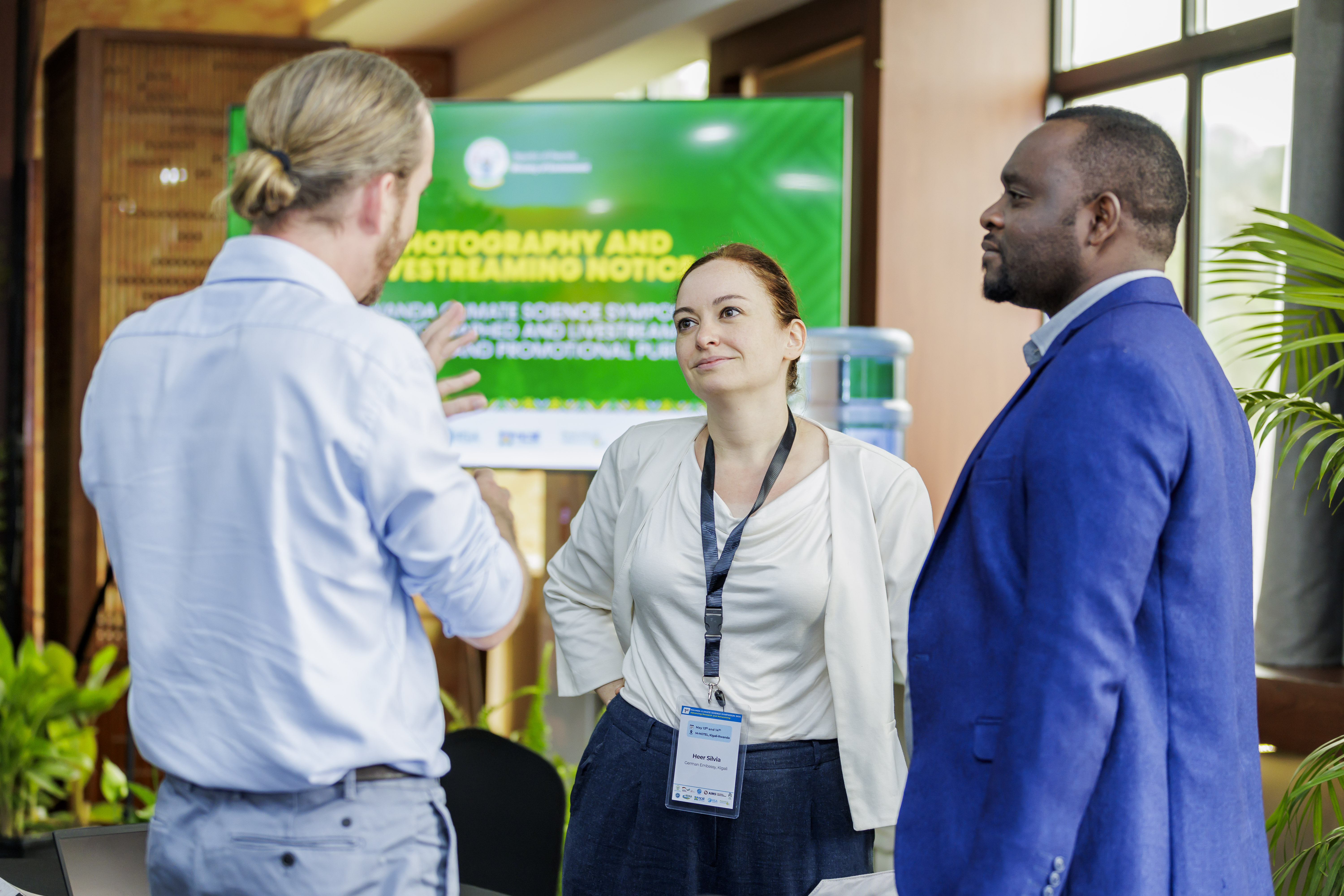
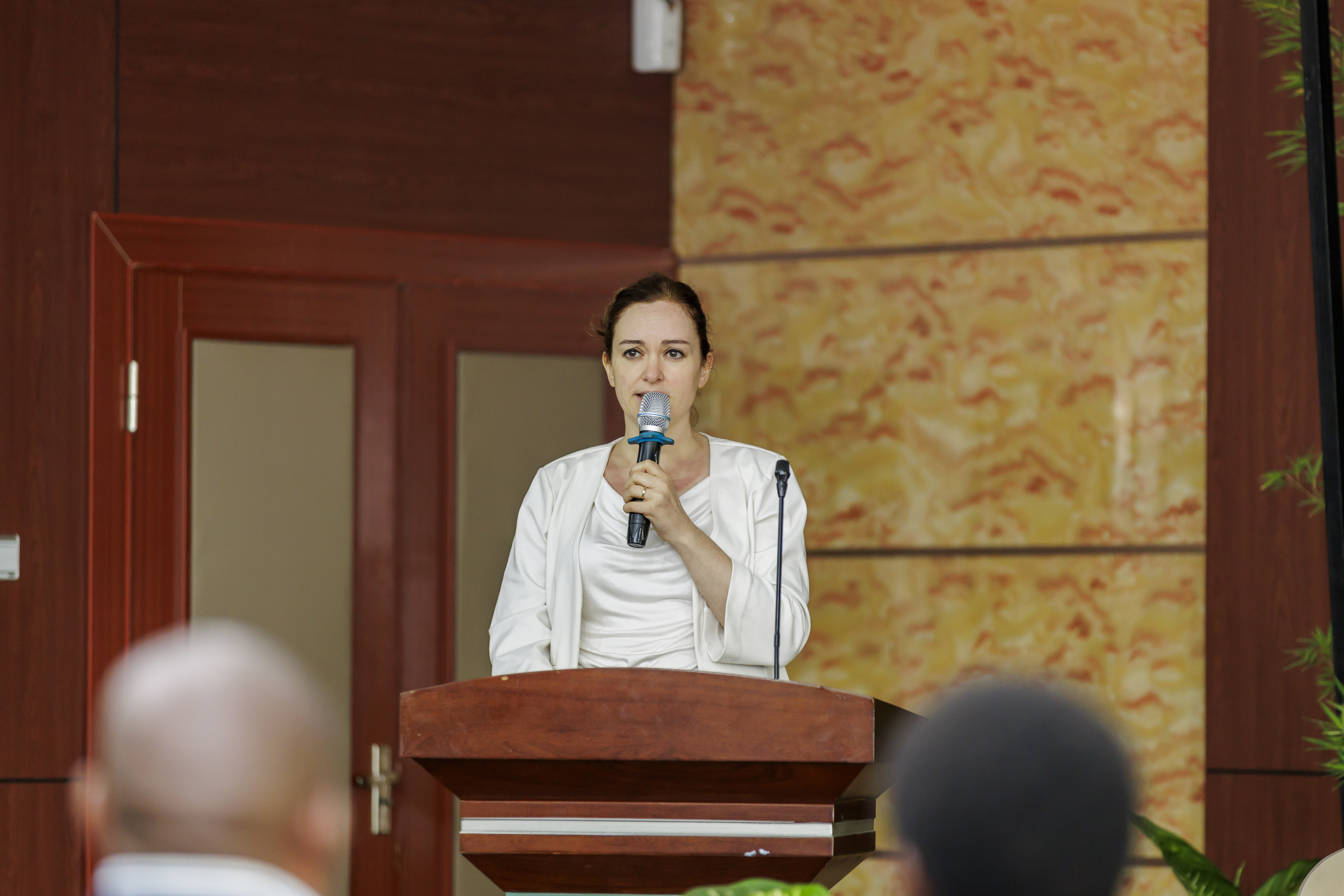
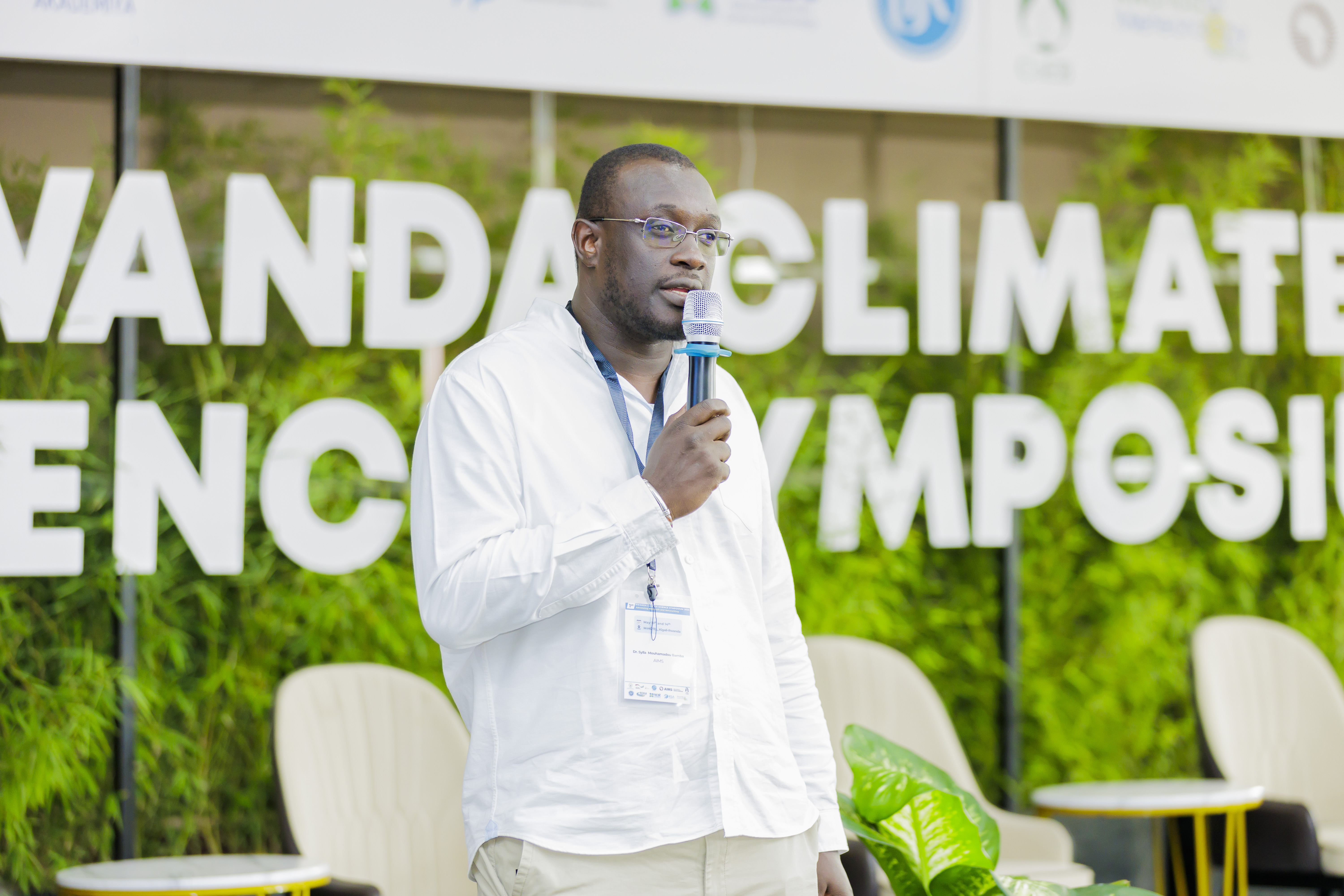
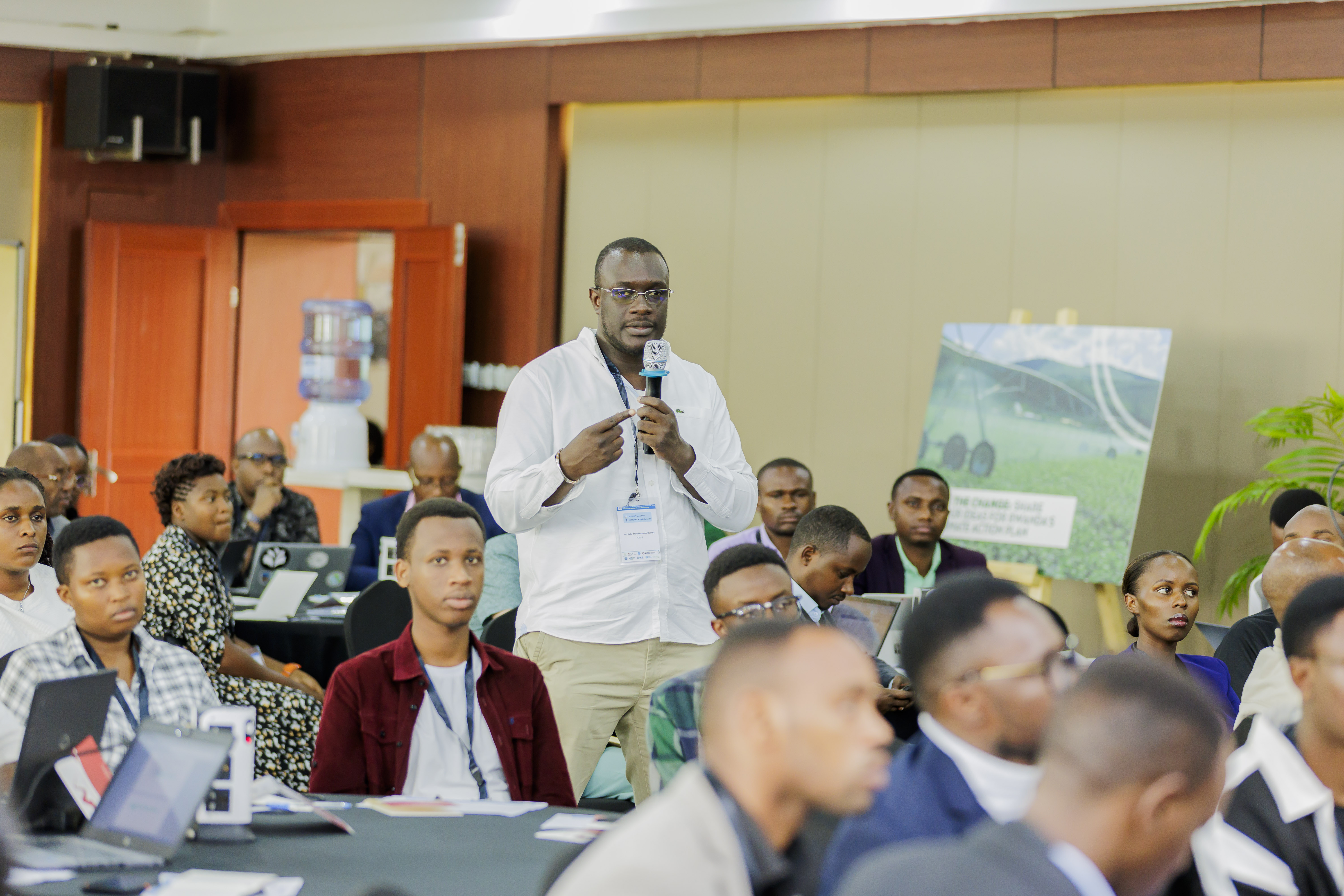
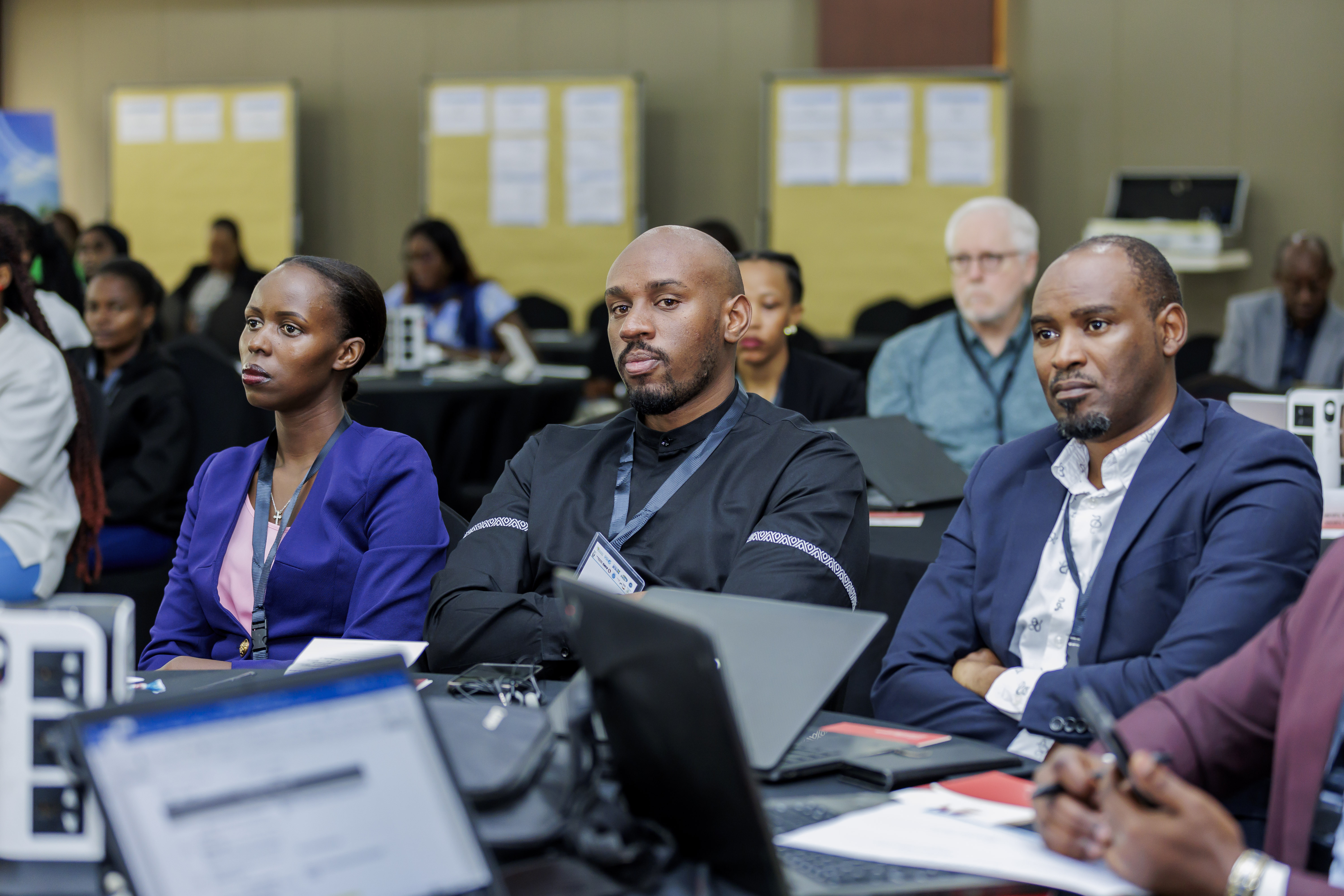
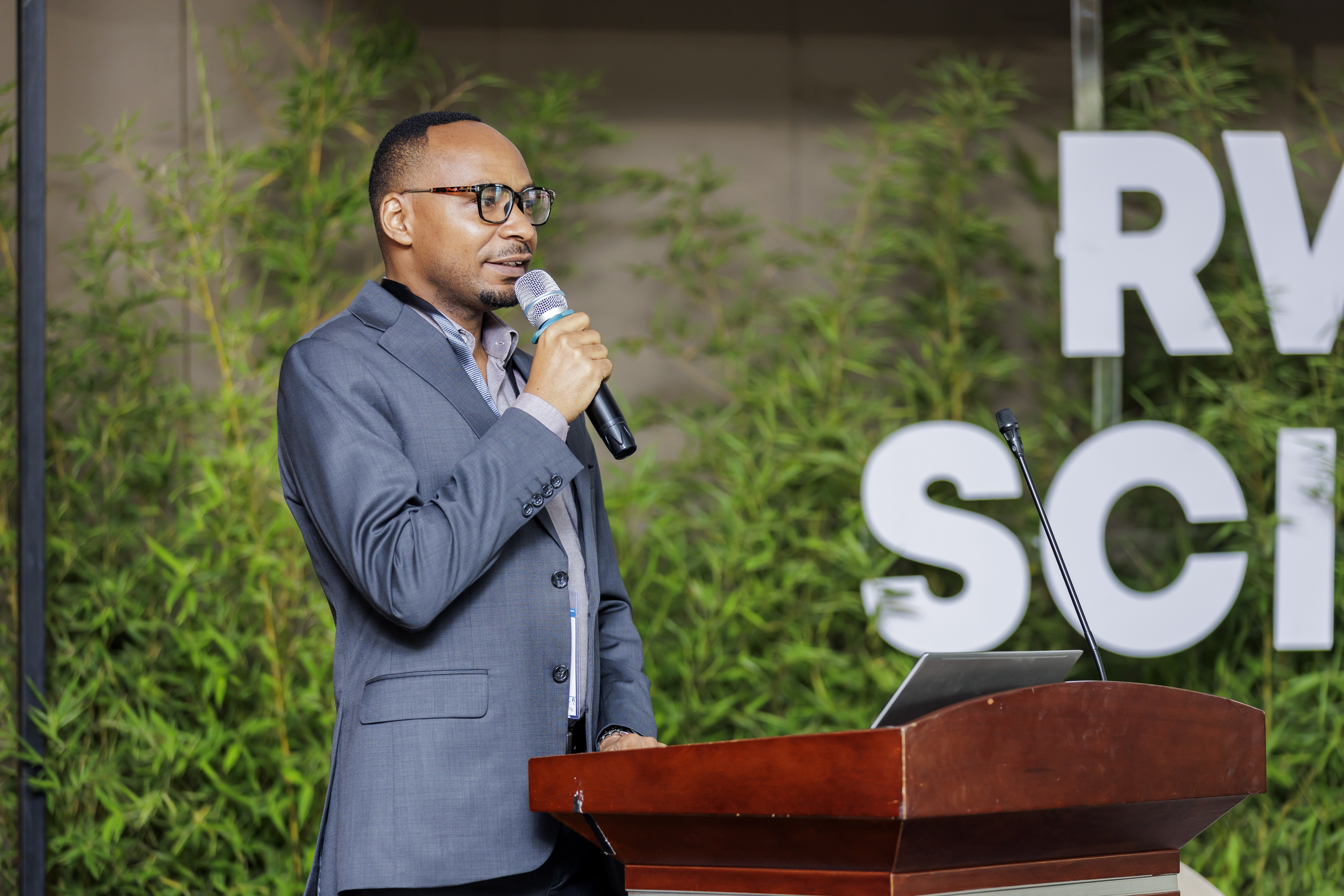
Event Photo Gallery
Highlights from across the two-day symposium — scientific exchanges, networking sessions, and thematic discussions.



Third Edition
Details coming soon
RCSS continues as an annual platform. The dates, theme and call for abstracts for the third edition will be announced here.